


Organic Golden Linseed
Price range: £2.00 through £3.40
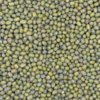
Try our Organic Golden Linseed! Mild and tasty. Loaded with omega-3s and high in fibre. Perfect in smoothies, baking, or on top of your avocado toast. Your heart and taste buds will thank you. Add Organic Golden Linseed to your daily routine today and give your body the clean, natural nutrition it deserves.
Golden linseed has a very similar nutritional profile to brown flaxseed, with minor variations depending on variety and growing conditions. It is an excellent source of plant-based omega-3s (ALA), fibre, and lignans.
Per 100g (whole seeds)
• Calories: 470–534 kcal (typically ~480–500 kcal)
• Protein: 18–22g
• Total Fat: 36–42g
• Saturated fat: ~3–4g
• Monounsaturated fat: ~7–8g
• Polyunsaturated fat: ~28–29g
• Omega-3 (ALA): ~20–23g (very high)
• Total Carbohydrates: 7–29g (varies by measurement; many carbs are fibre)
• Dietary Fibre: 27–28g (high in both soluble and insoluble)
• Sugars: ~1–2g (naturally low)
Key micronutrients (per 100g, approximate):
• Magnesium: ~390mg (high)
• Phosphorus: ~640mg
• Iron: ~5.7mg
• Zinc, copper, manganese: good sources
• Lignans: high (antioxidant phytoestrogens)
• Vitamin B1 (thiamin), B6, and others.
Common Serving Sizes
1 tablespoon whole seeds (~10g):
• Calories: 50–55 kcal
• Protein: ~1.9g
• Fat: ~4.3g (including ~2.3g ALA omega-3)
• Fibre: ~2.8g
2 tablespoons (~20g):
• Calories: ~100–110 kcal
• Fibre: ~5–6g
• Omega-3 ALA: ~4–4.5g (excellent daily boost)
Note: Grinding the seeds (freshly milled) improves nutrient absorption, especially for omega-3s and lignans, but slightly changes calorie density in some ground products (often listed around 450–470 kcal/100g due to processing).
Why Golden Linseed Stands Out
• Milder, nuttier taste compared to brown — easier to add to smoothies, yoghurt, baking, or porridge.
• Rich in plant-based omega-3s (supports heart and brain health).
• High fibre for digestion and satiety.
• Natural lignans for antioxidant and hormonal support.
Daily suggestion: 1–2 tablespoons (10–20g) per day is common for benefits. Start with 1 tbsp and increase gradually to avoid digestive discomfort from the high fibre. Drink plenty of water.
Certified Organic
Packaging – paper bag.
Be the first to review “Organic Golden Linseed”
Related products
Reviews
There are no reviews yet.